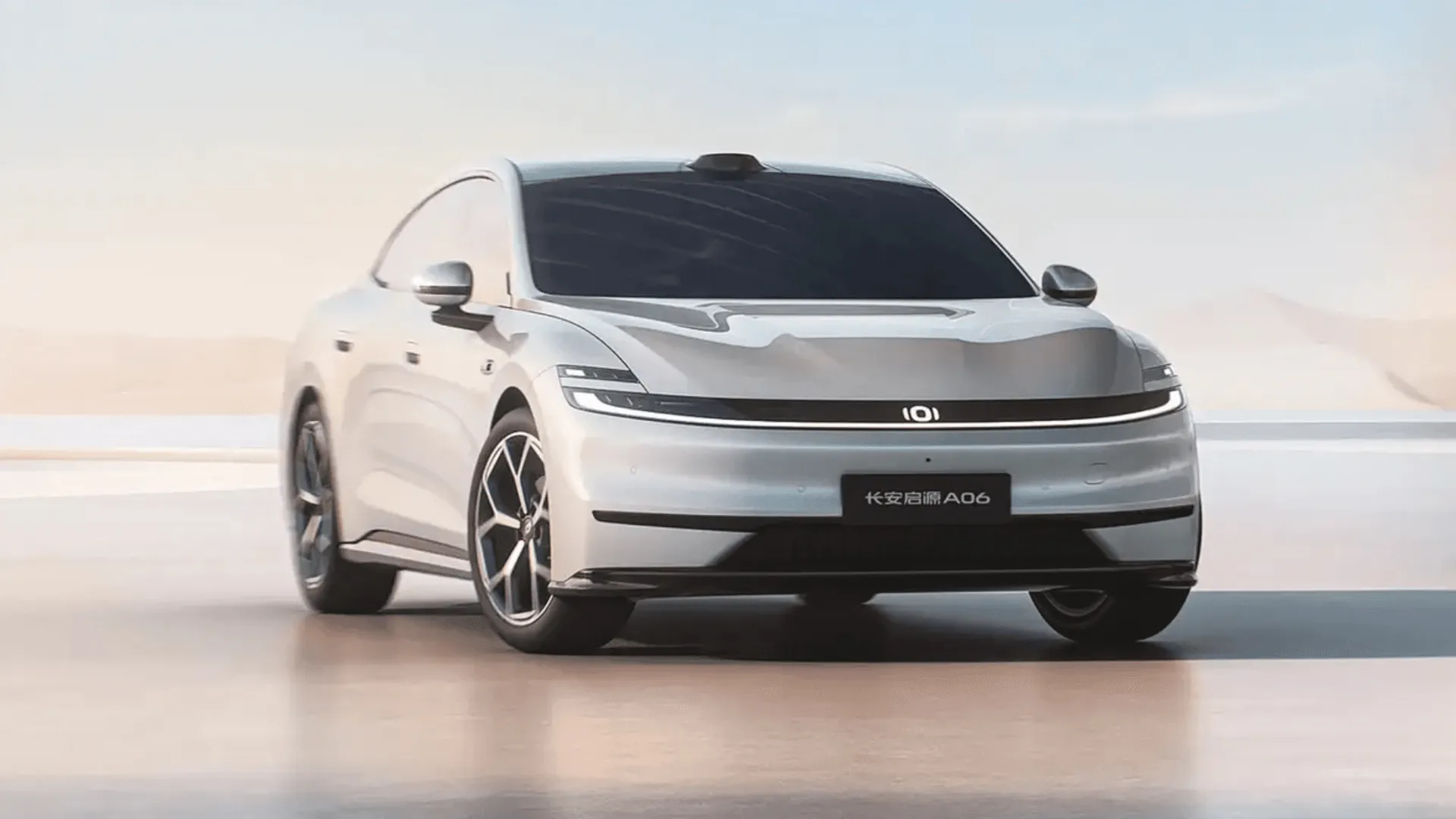
Changan Becomes First Automaker to Launch Sodium-Ion Battery EV as CATL Enters Mass Production
Changan Automobile is set to make history as the first car manufacturer to launch an electric vehicle powered by a mass-produced sodium-ion battery, marking a major milestone in next-generation EV battery technology. The breakthrough battery, developed by CATL (Contemporary Amperex Technology Co. Limited), will debut in the upcoming Changan Nevo A06 electric sedan, scheduled for release in China.
This announcement comes as CATL also unveils major advancements in ultra-fast 5C lithium-ion batteries, highlighting a future where multiple battery chemistries coexist to serve different electric vehicle use cases.
World’s First Mass-Produced Sodium-Ion EV Battery Enters the Market
CATL has officially confirmed that its Naxtra sodium-ion (Na-ion) battery pack has entered mass production, becoming the first sodium-ion battery certified for use in passenger electric vehicles. The technology recently completed extreme cold-weather testing in Inner Mongolia, a region known for its harsh winters and sub-zero temperatures.
According to reports from Gizmochina, the Changan Nevo A06 equipped with CATL’s sodium-ion battery demonstrated exceptional cold-climate performance, an area where traditional lithium-based batteries often struggle.
Outstanding Cold Weather Performance Sets Sodium-Ion Apart
One of the biggest advantages of sodium-ion batteries is their ability to operate reliably in extreme cold. During winter testing:
- The battery charged normally at temperatures around -30°C (-22°F)
- The EV continued operating at temperatures as low as -50°C (-58°F)
- At -40°C (-40°F), the battery retained over 90% of its original capacity
This level of performance is extremely difficult to achieve with lithium iron phosphate (LFP) batteries, which typically suffer significant range loss and reduced charging efficiency in freezing conditions.
CATL says sodium-ion battery packs can sustain higher power output in cold climates without the severe range degradation seen in conventional EV batteries.
Battery Capacity, Range, and Real-World Positioning
The sodium-ion battery pack selected by Changan has a capacity of 45kWh, delivering an estimated 250 miles of range on China’s CLTC test cycle. While this range is modest compared to long-range lithium-ion EVs, Changan notes that it is comparable to entry-level LFP-based electric vehicles currently on the market.
However, the key advantage lies in cold-weather reliability, making sodium-ion EVs particularly attractive for regions with harsh winters.
CATL’s “Dual-Chemistry” Vision for the EV Industry
CATL views the mass production of sodium-ion batteries as the beginning of a “dual-chemistry era” for electric vehicles, where automakers can choose battery technologies based on specific needs rather than relying on lithium alone.
For example:
- Sodium-ion batteries may be ideal for EVs operating in freezing climates
- Lithium-ion batteries can continue to dominate long-range and performance-focused vehicles
Changan is reportedly considering expanding sodium-ion technology beyond the Nevo A06, especially due to its cost advantages and supply-chain benefits.
Lower Cost, Improved Safety, and Abundant Materials
Sodium-ion batteries are gaining support from environmental and industry groups due to several strategic advantages:
- Sodium is over 1,000 times more abundant than lithium
- Raw materials are widely available across multiple regions
- Reduced dependence on lithium mining and geopolitically concentrated supply chains
- Lower risk of thermal runaway, making Na-ion packs slightly safer
- Potentially lower production costs at scale
These benefits could help automakers reduce EV prices, especially in the entry-level segment, accelerating global electric vehicle adoption.
Lithium-Ion Still Advances Rapidly: CATL’s 5C Battery Breakthrough
While sodium-ion technology shines in cold weather and affordability, lithium-ion batteries continue to improve rapidly—particularly in terms of charging speed and longevity.
CATL has announced its latest 5C lithium-ion battery, claiming it can:
- Retain 80% capacity after 3,000 full charge cycles
- Withstand repeated ultra-fast charging under ideal 20°C (68°F) conditions
- Deliver an estimated 1.1 million miles of driving life, according to Carscoops
The “5C” rating refers to the battery’s ability to handle extremely high charging rates, allowing it to theoretically charge from 0 to 100% in just 12 minutes.
The Future of EV Batteries: Choice, Not One-Size-Fits-All
CATL’s latest announcements make it clear that the future of electric vehicles won’t rely on a single battery chemistry. Instead, sodium-ion and lithium-ion batteries will coexist, each optimized for different climates, cost targets, and performance requirements.
With Changan leading the way, sodium-ion EVs could soon become a common sight—especially in cold regions—while next-generation lithium-ion packs continue pushing the limits of range, charging speed, and durability.